
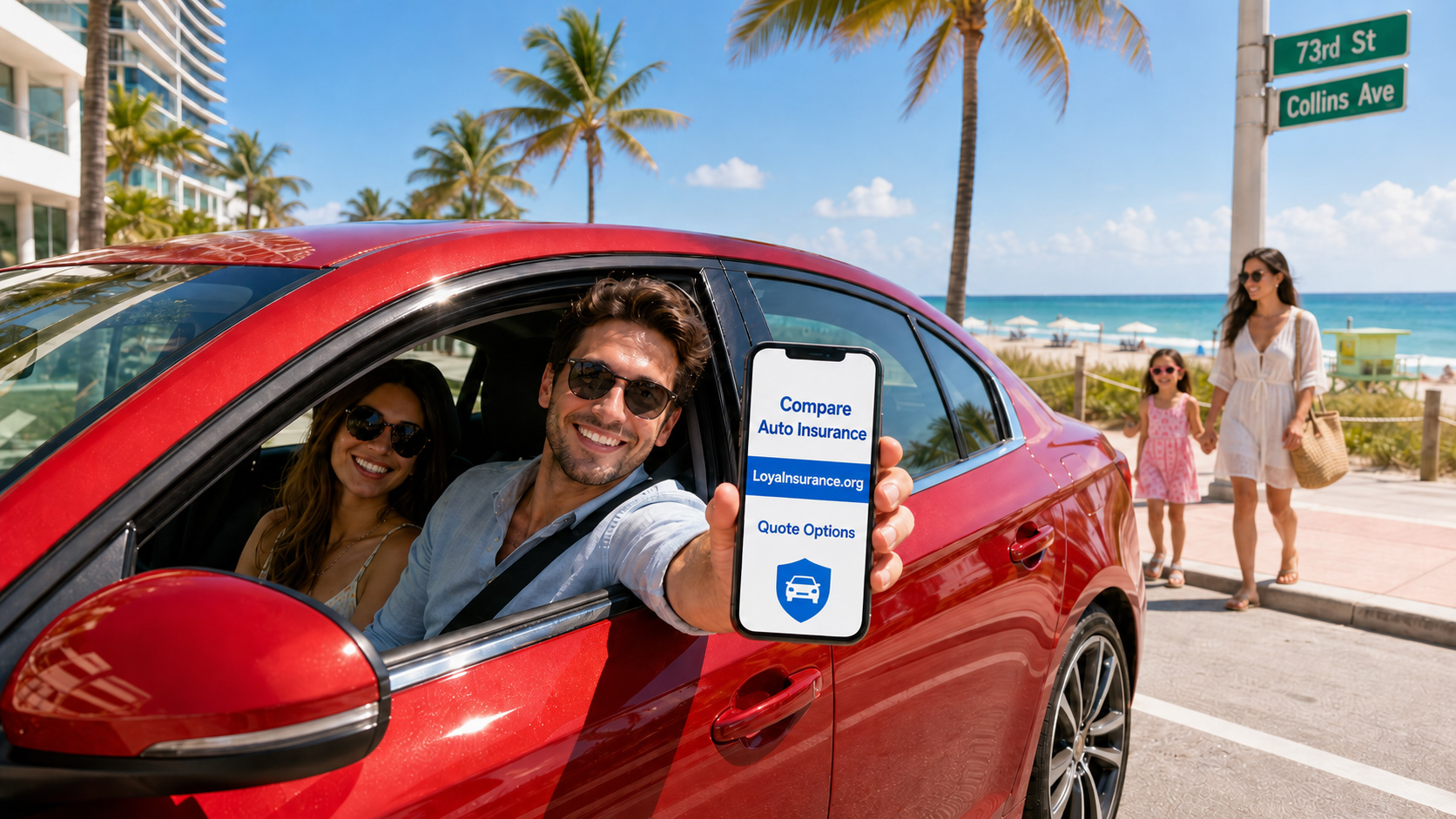
Watching a teen or young adult begin driving can be exciting, but it also comes with real insurance decisions. Young drivers often cost more to insure because they have less experience behind the wheel and are statistically more likely to be involved in crashes.
The CDC states that crash risk is higher among teens ages 16–19 than any other age group, and NHTSA also notes that teen drivers have higher fatal crash rates because of inexperience, mistakes, speed, and distraction risks [1] [2].
The good news is that families can often reduce costs by comparing quotes, choosing the right vehicle, asking about discounts, and building safe driving habits early. For more targeted shopping help, review auto insurance for young drivers.

Editorial note: LoyaInsurance.org publishes independent insurance guides and comparison resources. We are not an insurance carrier and do not handle policy service, billing, cancellations, or claims.
Compare First
Young driver rates can vary widely. Compare the same coverage limits, deductibles, and vehicles before choosing.
Use Discounts
Ask about good student, driver education, multi-car, safety equipment, and family policy discounts.
Drive Safely
A clean driving record is one of the strongest long-term ways to lower future insurance costs.
Why Are Young Drivers Considered High-Risk?
Insurers usually charge more for young drivers because limited driving experience increases risk. A new driver may know the rules, but they still need time to build judgment in traffic, weather, nighttime driving, and unexpected situations.
That does not mean families should accept the first expensive quote. Instead, compare options carefully and review related guides such as teen car insurance policy factors so you understand what really affects the price.
| Pricing Factor | Why It Matters | What Families Can Do |
|---|---|---|
| Age and experience | Younger drivers usually have less experience and higher crash risk. | Build supervised practice time and compare multiple quotes. |
| Driving record | Tickets and accidents can raise premiums quickly. | Set clear household driving rules and review safe habits often. |
| Vehicle choice | Sports cars, luxury vehicles, and expensive repairs can raise costs. | Choose a reliable vehicle with strong safety features and reasonable repair costs. |
| Coverage limits | Higher limits usually cost more but provide stronger protection. | Compare equal limits before deciding which quote is actually cheaper. |
Key Tips to Lower Car Insurance Costs for Young Drivers
The most effective strategy is to combine safe driving, smart vehicle selection, and discounts. NAIC lists several possible savings categories for teen drivers, including driver education, good student discounts, multi-car policies, safety equipment, anti-theft devices, and auto/home bundling [3].
Cost-Saving Moves
- Ask about good student discounts.
- Ask whether a driver education course qualifies.
- Compare adding the young driver to a family policy.
- Choose a practical vehicle with lower repair costs.
- Compare quotes before renewal.
Habits That Help
- Avoid speeding and traffic violations.
- Keep phones away while driving.
- Wear seat belts every trip.
- Limit distractions and unnecessary passengers.
- Practice driving in different conditions safely.
Should a Young Driver Be on the Family Policy?
For many families, adding a teen or young adult to a parent’s existing policy may be less expensive than buying a separate policy. This can also make it easier to qualify for multi-car or bundling discounts, depending on the insurer.
However, the best choice depends on the driver, vehicle, state, household, and insurer rules. Compare both options when possible and use resources like car insurance discounts for young drivers to identify savings you might otherwise miss.
| Option | Potential Benefit | What to Check |
|---|---|---|
| Family policy | May be cheaper and may qualify for multi-car discounts. | How the young driver is assigned to vehicles and how rates change. |
| Separate policy | Can separate billing and responsibility. | May cost more for a young driver with limited history. |
| Student away at school | Some insurers may offer special rules or discounts. | Distance, vehicle access, and insurer documentation requirements. |
Choosing the Right Vehicle for a Young Driver
The vehicle can make a major difference in the premium. A modest sedan or compact SUV with solid safety features and reasonable repair costs is often easier to insure than a sports car, luxury vehicle, or model with expensive parts.
Look for Safety
Strong safety features may help reduce risk and can sometimes help with discounts.
Avoid Expensive Repairs
Vehicles with costly parts or high theft risk may be more expensive to insure.
Quote Before Buying
Get an insurance estimate before purchasing a vehicle for a young driver.
Deductibles, Coverage Limits, and Full Coverage
Raising a deductible can lower premium, but families should only choose a deductible they could realistically afford after an accident. For a newer or financed vehicle, collision and comprehensive coverage may be important or required.
For a deeper comparison process, use compare auto insurance quotes and keep the same limits and deductibles across each quote. Otherwise, one quote may look cheaper simply because it offers weaker protection.
Watch and Learn
Use educational videos as a starting point, but always verify policy details directly with the insurer before making coverage decisions.
Final Thoughts
Young driver insurance can be expensive, but families have ways to manage the cost. Safe driving, a practical vehicle, student discounts, driver education, and fair quote comparisons can all help.
Before buying, compare coverage carefully and review options like best auto insurance for first-time drivers if the young driver is buying coverage for the first time.