Consequences of Driving Uninsured: Key Insights
Best Rates from Us & Our Partners!*

Call us 855-620-9443
Best Rates from Us & Our Partners!*

This article is for general educational purposes only and is not legal or financial advice. Penalties and claim rules vary by state, and policy language matters. For your situation, review your declarations page and consult your state DMV/insurance department or a licensed professional.
Driving without insurance isn’t just a minor oversight — it can trigger serious consequences the moment you’re stopped by law enforcement or involved in a crash. Many drivers underestimate the risk, assuming accidents are rare or that they can “fix it later.” In reality, uninsured driving can create legal trouble immediately and increase your long-term costs for years.
If you are currently uninsured or thinking about canceling coverage, it’s essential to understand what you are risking. From fines and license/registration actions to lawsuits and higher future premiums, the true cost of driving uninsured can be far higher than maintaining a basic policy. For a deeper breakdown of specific costs and examples, review the true costs of driving without insurance.
Every state has its own requirements and penalty structure. Even a first offense can be expensive, and repeat violations are often treated much more harshly. When in doubt, confirm requirements directly through your state DMV or insurance department, and compare quotes before you take on unnecessary risk.
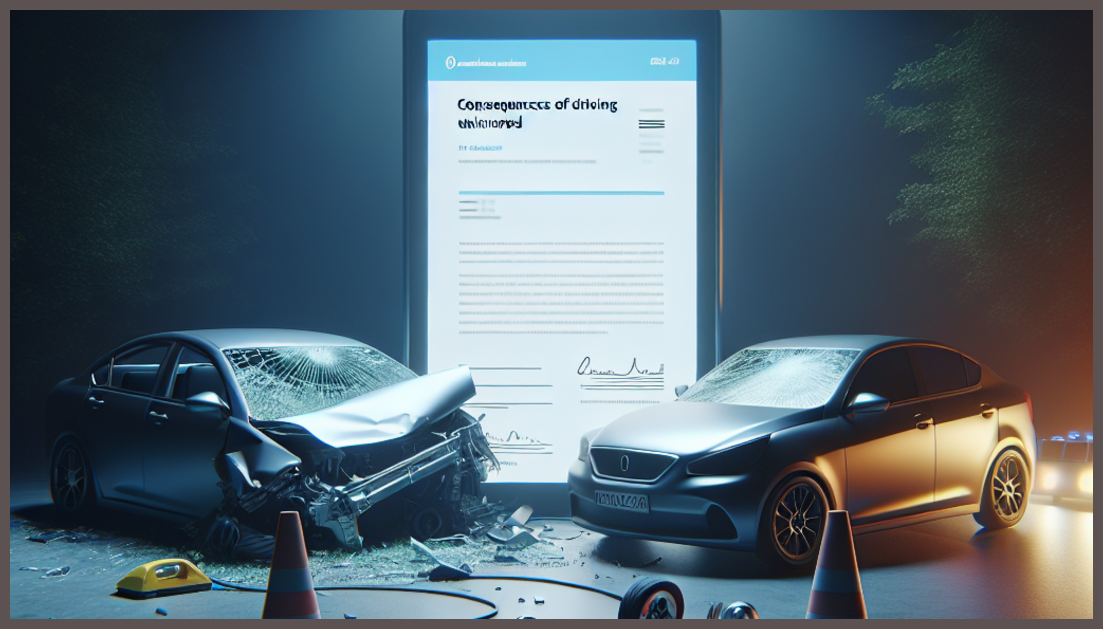
One of the most immediate consequences of driving uninsured is what can happen if you are pulled over or involved in a collision. Across the U.S., driving without required “financial responsibility” is generally treated as a serious violation. Penalties vary by state, but often include fines, fees, and administrative actions that can prevent you from legally driving until you show proof of coverage.
In many states, a first offense can lead to a fine plus reinstatement costs and proof-of-insurance requirements. Repeat violations may involve higher fines, longer suspensions, SR-22 filings, and even vehicle impoundment depending on state law. General overviews exist online (for example, DMV.org’s state-by-state summaries) but you should always verify your state’s current rules directly. See: penalties for driving without insurance[1].
Depending on where you live, you may also face:
Legal penalties are only part of the problem. If you cause an accident while uninsured, you may be personally responsible for the other party’s property damage and injuries. That can include vehicle repairs or replacement, damage to structures (fences, poles, buildings), and medical bills.
When injuries are involved, costs can grow fast. The other party may pursue a lawsuit, and if a judgment is entered against you, collection can involve wage garnishment or liens depending on your state’s rules. Compared with these exposures, the monthly cost of basic liability coverage is often the more predictable and manageable expense.
For real-world examples of how out-of-pocket costs can stack up, see this detailed financial analysis of driving uninsured.
| Scenario | If You Are Insured | If You Are Uninsured |
|---|---|---|
| Property damage to another vehicle | Handled up to your liability limits (subject to policy terms) | You may owe the full cost out of pocket |
| Injuries to other drivers or passengers | Bodily injury liability can pay covered losses up to your limits | You may be personally responsible for medical bills and legal claims |
| Legal defense costs | Often included with liability coverage for covered claims | You generally pay your own attorney and court costs |
| Impact on future premiums | Rates can increase after an at-fault claim | A lapse/violation can push you into high-risk pricing when you reapply |
The consequences don’t end when the ticket is paid. A lapse in coverage or uninsured-driving violation can make insurers view you as higher risk. That can mean higher premiums, stricter payment terms, and limited carrier options, especially if an SR-22 filing is required.
High-risk drivers commonly face:
It’s also worth remembering that uninsured drivers are common in many states, which increases everyone’s exposure on the road. The Insurance Information Institute provides background and statistics on uninsured motorists here: Facts & Statistics: Uninsured Motorists[2]. That’s one reason many drivers choose to protect themselves with UM/UIM coverage in addition to liability.
If you’ve had a lapse, compare quotes carefully and ask how continuous coverage (or an SR-22) affects pricing. You can also learn more about financial risks tied to uninsured and underinsured motorist issues and how protections can help when the other driver can’t pay.
Legal fees and court costs are another often-overlooked consequence. If an accident leads to a claim or lawsuit, liability insurance typically includes a defense for covered incidents. Without insurance, you may have to hire counsel and pay litigation costs yourself, even before any settlement or judgment is decided.
You could face:
Your exact penalties depend heavily on your state. Some states escalate quickly after a first offense; others impose strong penalties immediately. Because rules change, rely on current information from your state DMV or insurance department rather than assumptions or outdated posts.
To stay accurate in your own situation:
If you want to compare state penalties against the long-term cost of maintaining basic coverage, you may also find it useful to review comparisons between uninsured driving and maintaining basic insurance.
Basic liability insurance exists to protect both you and others on the road. While it may not pay for your own vehicle damage in every case, it can help cover injuries and property damage you cause, and it often includes a legal defense for covered claims.
Key benefits of carrying at least minimum liability coverage include:
Many drivers find basic liability coverage is more affordable than expected after discounts are applied. If you’re unsure how limits work and what they protect, exploring the benefits of liability coverage can help you choose a realistic baseline.
Choosing to drive uninsured should never be based only on short-term savings. A better approach is to measure your real exposure: how often you drive, the traffic conditions you face, and how an unexpected accident would affect your finances.
Ask yourself:
If premiums feel high, compare quotes rather than canceling coverage. Many insurers offer options (deductible choices, mileage-based pricing, discounts, payment plans) that reduce upfront cost without leaving you exposed.
In most states, you must maintain at least the minimum required insurance if the vehicle is registered and driven on public roads. If you won’t be driving for an extended period, ask your DMV and insurer about lawful options (for example, changing registration status), but don’t assume “rarely driving” makes it legal to go uninsured.
You may still face penalties for being uninsured. Some states also limit what uninsured drivers can recover in certain situations, even when they are not primarily at fault. Carrying at least minimum coverage helps you avoid these extra penalties and complications.
It varies by state. Violations can remain on your record for years and affect pricing when you shop for coverage. Confirm timelines with your state DMV or licensing authority.
No. This is general educational information and does not replace advice from a licensed professional. For guidance specific to your situation, consult a licensed insurance agent, attorney, or your state’s DMV/insurance department.
The impact of driving uninsured can be immediate and long-lasting. From fines and suspensions to legal fees, lawsuits, and higher future premiums, the risks often outweigh the short-term savings of going without coverage.
If you are uninsured or unsure whether your coverage is adequate, review your options now. Comparing quotes, confirming state requirements, and speaking with a knowledgeable agent can help you secure protection that fits your needs and budget.