What to Do After an Accident with an Uninsured Driver
Best Rates from Us & Our Partners!*

Call us 855-620-9443
Best Rates from Us & Our Partners!*

Finding yourself in an accident involving an uninsured driver can cause significant stress and confusion. It is crucial to know the appropriate steps to take immediately after such an incident to protect your rights and ensure proper handling of the situation. This guide is designed to help you navigate through these tough circumstances calmly and effectively.
Firstly, ensure everyone’s safety at the scene before taking any further action. After addressing any medical concerns, the focus shifts to managing the legal and insurance aspects of the accident. Understanding what to do after an accident with an uninsured driver can help you make informed decisions about your coverage options, such as uninsured vs underinsured motorist coverage, and prepare for potential financial repercussions.
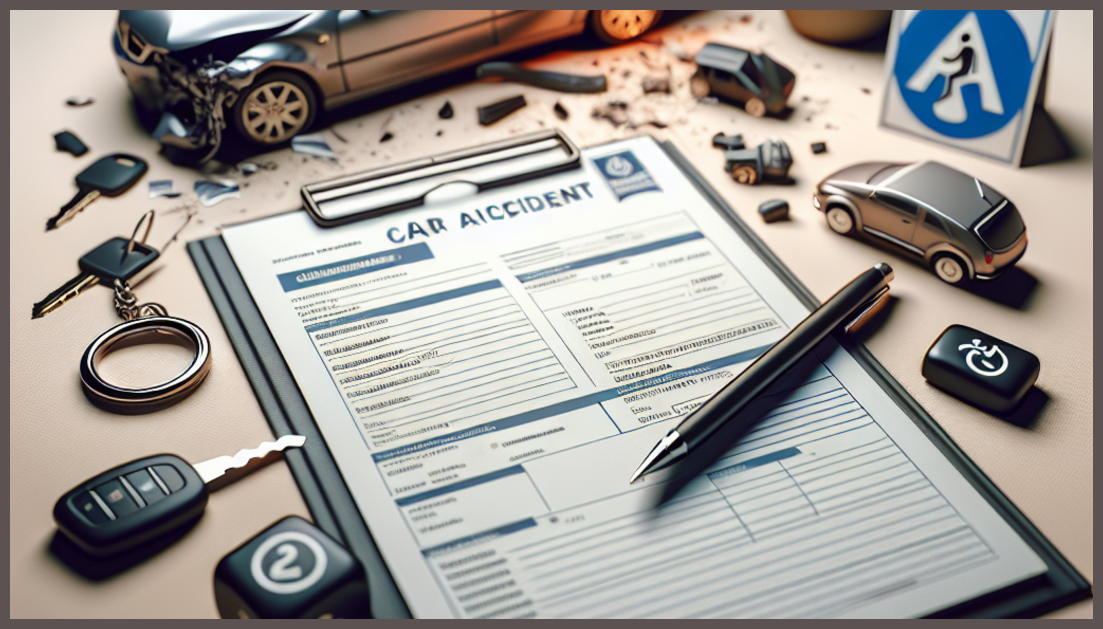
Once the dust settles after an accident, it’s essential to act quickly. The initial steps you take can significantly impact the handling of your case. First, call the police to report the accident, even if it appears to be minor. They will document the incident and help to create an official report that you can use with your insurance company.
Make sure to gather as much information as possible from the other driver, including their name, contact information, and vehicle details. If there are any witnesses, take their contact details as well. All this information will be crucial when filing your insurance claim and could aid in your case if liability disputes arise.
Having reliable coverage is important, especially when dealing with uninsured drivers.
After ensuring that you’re safe and reporting the accident, you need to investigate how your current insurance policy will handle uninsured driving situations. Many drivers are unaware of the potential protections available through their policies, particularly uninsured motorist coverage.
This type of coverage provides protection if you’re in an accident caused by someone who doesn’t have insurance. It can cover medical expenses, lost wages, and even damages to your vehicle, depending on your policy terms. If you have uninsured motorist coverage, it’s essential to contact your insurance provider promptly to initiate a claim.
If you don’t have this coverage, it may be time to consider integrating it into your insurance package. Protecting yourself from uninsured driver’s risks is crucial for financial security on the road, especially if you frequently drive in areas prone to uninsured drivers.
Accidents can lead to various financial repercussions, especially if you are left with damages and medical bills due to an uninsured driver’s fault. Understanding the potential costs can guide your next steps and decision-making.
Your expenses can include vehicle repairs, medical costs, and even lost wages if you’re unable to work due to injury. It’s crucial to keep meticulous records of all costs associated with the accident.
If the driver at fault is uninsured, you might have to absorb these costs yourself, particularly if you don’t have uninsured motorist coverage. This reality underscores the necessity of reviewing your current policies and considering coverage that can shield you from unexpected costs. For further insights, you can understand uninsured motorist coverage costs in detail.
Once the immediate situation is handled, thorough documentation becomes vital. Since an uninsured driver may lead to disputes regarding fault, keeping detailed notes and records can provide you with leverage if you face challenges from insurance companies or other entities.
Take comprehensive photos of the accident scene, the vehicles involved, and any visible damages. Document your recollection of events as soon as possible while it’s still fresh in your mind.
Write down everything that happened, including road conditions, weather, and behavior of both drivers. If possible, obtain contact information from witnesses to solidify your account of the incident. This can help facilitate your insurance claim process and protect you from future liabilities.
In cases of injury, claiming medical expenses becomes paramount. Your health should take priority, and seeking medical attention promptly is essential, whether you’re experiencing immediate symptoms or not. Delayed medical treatment can complicate your claim later.
Notify your health insurance provider about the accident. Depending on your coverage, your medical bills may be paid through your health insurance initially, and then you can seek reimbursement from your auto insurer later. Additionally, documenting all medical treatments, prescriptions, and bills will streamline your recovery process and claims.
It’s also critical to get follow-up care for any injuries sustained. A complete treatment record will be invaluable should you need to pursue compensation later for your medical expenses.
If the other driver remains uninsured and is found liable, you may need to consider legal avenues for recovering damages. This situation can become complex depending on local laws and the circumstances of the accident.
It is advisable to consult with a legal professional experienced in traffic accidents and insurance claims. They can guide you based on your case specifics and help you understand your rights. Knowing what to expect legally can greatly aid your peace of mind during this stressful process.
For more information on how to approach legal matters, you may want to know how your driving history influences your insurance costs. This will give you an insight into potential repercussions following driving incidents.
After experiencing an accident with an uninsured driver, it may be a good time to reassess your insurance needs. Understanding your coverage and discussing potential adjustments with your insurer can prevent future distress.
Re-evaluating your current auto insurance policy can help ensure you’re adequately protected against similar incidents in the future. If you didn’t have uninsured motorist protection before your accident, you should consider adding it.
Speak with your insurance agent about available plans that can lower your risk, such as comprehensive coverage or collision coverage, which can mitigate future financial burdens from uninsured drivers.
If you were injured, seek medical attention immediately. Document your injuries and treatment to support any potential claims. Contact your insurance and consider consulting legal advice regarding compensation for your injuries.
Yes, if you have uninsured motorist coverage, you can file a claim against your own insurance policy for damages or medical expenses incurred due to an accident with an uninsured driver.
You will need the police report, medical reports, accident photos, witness statements, and any documentation related to the expenses incurred due to the accident.
Uninsured motorist coverage helps pay for damages to your vehicle and medical expenses when the at-fault driver does not carry insurance. It is vital for protecting against significant financial losses if the other driver cannot pay for damages.
Yes, notifying your insurance company as soon as possible is essential to initiate the claims process and secure your protection. Provide them with all necessary details about the accident and any injuries that occurred.
Engaging in an accident with an uninsured driver can present various challenges. However, by staying informed and taking the right steps, you can effectively navigate the process and protect your interests. Ensuring that you have adequate coverage in place will strengthen your position in the future.