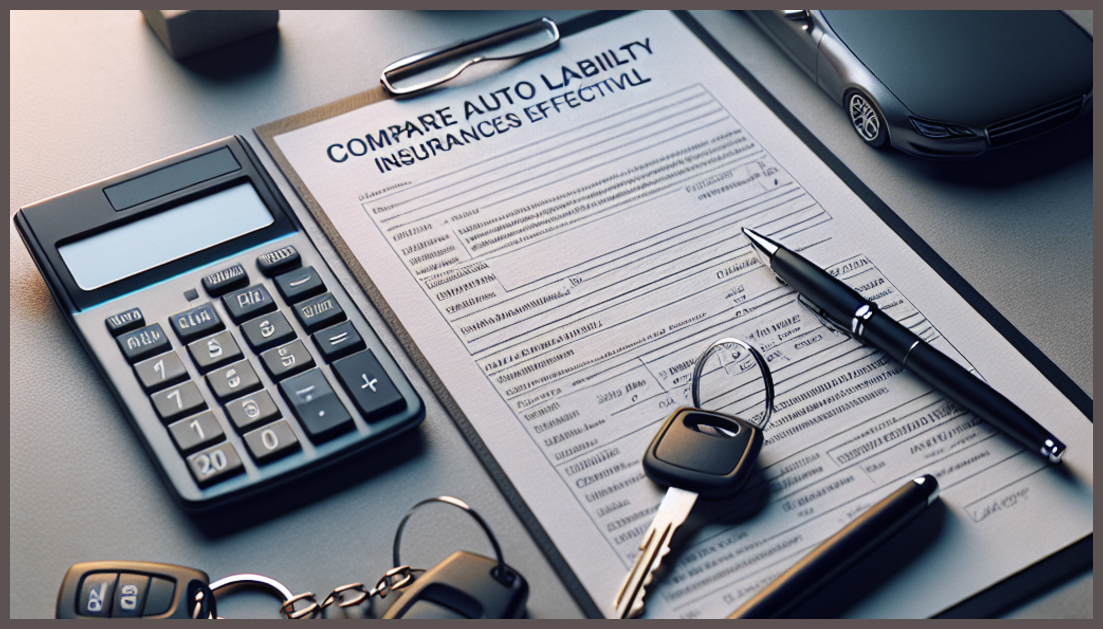
Compare Auto Liability Insurance Providers Effectively

Best Rates from Us & Our Partners!*

Last updated on November 25, 2025

What to Consider When Comparing Auto Liability Insurance Providers

Jane Taylor
Author
Jane Taylor
— auto and home insurance specialist

Jane Taylor is a licensed insurance agent with over a decade of experience helping individuals and families find affordable and reliable coverage. She specializes in auto, home, and renters insurance, with a focus on simplifying complex policies and making insurance easy to understand. Over the years, Jane has personally helped hundreds of drivers compare liability limits, navigate claims, and balance cost with protection.

Based in California, she writes regularly for leading insurance blogs, where she shares tips on saving money, understanding state requirements, and choosing the right coverage. When she’s not working with clients or writing, Jane enjoys gardening and volunteering at her local animal shelter.

When it comes to auto liability insurance, choosing the right provider can have a major impact on your financial security and peace of mind. This guide walks you through the essential factors to consider when comparing different auto liability insurance providers, especially if you are close to purchasing coverage and want to feel confident in your decision.

Understanding how to effectively compare auto liability insurance providers is crucial for securing a policy that fits both your budget and your risk profile. Beyond price, you should look closely at coverage limits, claim processes, discounts, customer service, and the overall reputation and financial strength of each insurer.

The goal of this article is to give you a practical checklist you can use when you request quotes from multiple companies, so you can select a provider that protects you properly rather than just choosing the lowest premium.

A visual guide to comparing auto liability insurance providers.

Understanding Auto Liability Insurance

Auto liability insurance is a type of coverage that helps pay for injuries and property damage you cause to others in an at-fault accident. In most states, liability coverage is required by law, and you must carry at least the minimum limits your state mandates in order to drive legally.

Liability insurance is usually split into two main parts:

  • Bodily injury liability (BI): Helps pay for medical bills, rehabilitation, and related costs for people you injure in a covered accident.
  • Property damage liability (PD): Helps pay to repair or replace another person’s vehicle or property when you are at fault.

While state minimums might meet legal requirements, they may not be enough to protect your assets if you cause a serious accident. Many drivers choose higher limits to reduce the chance of paying out of pocket after a claim.

Coverage Level What It Usually Means Who It May Fit
State minimum limits Meets legal requirements but may offer limited protection in a serious accident. Drivers with very tight budgets and few assets to protect.
Moderate limits (above minimums) Provides more room for medical bills and repairs before you pay out of pocket. Typical families and commuters who want better protection without a huge premium increase.
High limits Designed to protect income, savings, or property if a major claim is filed against you. Drivers with significant assets or high liability risk (long commutes, busy roads, teen drivers, etc.).

If you are still learning how liability coverage works overall, it can also help to review a broader guide to auto insurance coverages and options so you see how liability fits alongside collision, comprehensive, and other protections.

Key Factors to Consider When Comparing Providers

When you compare auto liability insurance providers, you are really comparing both the policy and the company behind it. Keep the following factors in mind as you review your quotes and coverage options:

  • Coverage limits: Do the liability limits match your state’s minimums and your personal comfort level?
  • Claim process: How easy is it to file a claim and get updates after an accident?
  • Premium costs: What are you paying for the liability limits and options you choose?
  • Customer service: How does the insurer treat policyholders before and after a claim?
  • Discounts available: Are there savings opportunities you qualify for but haven’t used yet?
  • Financial strength & reputation: Is the company financially stable and well-reviewed by other drivers?

Evaluating Coverage Options Beyond Liability

Although this article focuses on liability coverage, most providers will offer additional options that can protect you, your car, and your passengers. It is often more cost-effective to evaluate the entire policy, not just the minimum liability requirements.

Types of Coverage You May See in a Quote

  • Collision coverage: Helps pay to repair or replace your vehicle after a covered collision, regardless of fault.
  • Comprehensive coverage: Helps cover damage from non-collision events, such as theft, vandalism, fire, or certain weather events.
  • Uninsured/underinsured motorist coverage: Protects you if you are hit by a driver with no insurance or not enough liability coverage.
  • Medical payments or personal injury protection (PIP): Helps with medical bills for you and your passengers, depending on your state.

When comparing providers, look at how these coverages are bundled, what deductibles are available, and whether the company offers any specialized options (such as rideshare or roadside assistance) that matter for your situation.

Claim Process Insights

A policy is only as good as the way claims are handled. Some companies are known for quick, straightforward claims, while others may be slower or harder to reach. Before you choose a provider, it is worth understanding how their claims process works in real life.

Key Claim Process Steps to Ask About

  • Report the accident: Can you report claims 24/7 online, through an app, or by phone?
  • Documentation: What photos, police reports, or forms are typically required to process your claim?
  • Repairs and estimates: Does the company work with preferred repair shops, and how are estimates handled?
  • Follow-up and timelines: How are you kept updated, and what are the typical turnaround times for liability claims?

Reading real customer experiences and talking with an agent can help you understand how smoothly a claim is likely to go if you need to use your coverage.

Comparing Premium Costs

Your premium for liability coverage will vary from one provider to another, even when the limits on your quote look similar. That is why it is so important to compare offers side by side instead of accepting the first price you see.

Common factors that influence your liability premium include:

  • Your driving record and claims history
  • Your age, experience behind the wheel, and sometimes your credit-based insurance score (where allowed)
  • Your location, including accident and theft trends in your area
  • The vehicle you insure, including its value, safety features, and repair costs
  • The liability limits, deductibles, and additional coverages you select

When you compare price, always double-check that each quote uses the same liability limits and similar coverage options. If one quote is much cheaper, make sure you are not unknowingly accepting lower protection.

For a deeper look at price differences across companies, you can also review guides on top affordable auto insurance providers to see how liability coverage fits into overall costs.

Shopping Around for Quotes

One of the most effective ways to find the right balance between cost and coverage is to request quotes from several insurers. This gives you a clear picture of your options and helps you avoid overpaying for the same level of protection.

Tips for Requesting and Comparing Quotes

  • Use online comparison tools or marketplaces for quick, side-by-side estimates.
  • Contact insurers directly to ask detailed questions or clarify what is included in your quote.
  • Provide the same information (vehicle, drivers, mileage, liability limits) to each company to keep comparisons fair.
  • Ask specifically about discounts you may qualify for, such as safe driver, multi-car, or bundling auto with home or renters insurance.

Keep a simple worksheet or spreadsheet where you list each provider, liability limits, discounts, and final price, so you can see which company truly offers the best value.

Customer Reviews and Ratings

Reading reviews and ratings from other policyholders can give you insight that price quotes alone cannot provide. Look for recurring themes in reviews, such as praise for quick claim payments or complaints about delays and communication.

When you evaluate reviews:

  • Focus on recent feedback to see how the company is performing now.
  • Look for comments specifically about liability claims and customer support.
  • Balance star ratings with detailed written reviews and patterns across multiple platforms.

Evaluating Company Reputation and Financial Strength

An insurer’s reputation and financial strength matter because they affect the company’s ability to pay claims and support you during stressful situations. A lower-priced policy may not feel like a good deal if the company is hard to reach or slow to pay.

Where to Check Reputation and Stability

  • Independent financial rating agencies: Look at ratings from organizations such as A.M. Best, Standard & Poor’s, or Moody’s to see how strong the insurer is financially.
  • Better Business Bureau (BBB): Review the company’s rating and complaint history in your area.
  • State insurance department resources: Many state insurance departments publish complaint ratios and consumer guides that can help you compare companies.

Taking a few extra minutes to check these sources can help you avoid insurers with a pattern of unresolved complaints or financial issues.

Common Pitfalls to Avoid

Even experienced drivers can make mistakes when choosing an auto liability insurance provider. Being aware of common pitfalls can help you make a more informed decision.

  • Not reading the fine print or exclusions in your policy.
  • Choosing the lowest premium without checking liability limits and coverage details.
  • Ignoring an insurer’s financial strength and complaint history.
  • Letting your policy auto-renew year after year without re-shopping your rates.

Reviewing your policy at each renewal and comparing options regularly can help you stay protected while keeping costs under control.

Checklist for Choosing the Right Insurer

Before you make a final decision, use this quick checklist to compare your top contenders side by side.

Selection Checklist

  • Liability limits meet or exceed your state minimums and your personal comfort level.
  • Quotes are based on the same liability limits and similar coverage options for fair comparison.
  • Claims process is clearly explained, with 24/7 reporting and reasonable timelines.
  • Customer reviews and ratings are generally positive and consistent.
  • Company has solid financial strength ratings and a manageable complaint history.
  • Available discounts have been applied to your quote where you qualify.
  • You understand how your deductible, limits, and add-ons affect your total premium.
Excerpt: Learn the key factors to weigh when choosing between auto liability insurance providers so you can match the right coverage limits, company reputation, and premium to your budget and risk level.

Frequently Asked Questions About Comparing Liability Insurance

How many quotes should I get before choosing a provider?

Many experts recommend getting at least three to five quotes from different insurers. This usually provides a good range of prices and coverage options without becoming overwhelming. Make sure you provide the same information to each company so your quotes are comparable.

Should I always choose the cheapest liability insurance?

Not necessarily. The cheapest policy may have much lower liability limits, fewer discounts, or weaker customer service. It is usually better to look for the best value—strong protection, a reliable company, and a fair price—rather than focusing on price alone.

Are state minimum liability limits enough?

State minimums make you legal to drive, but they may not be enough to cover a serious accident. If the damages exceed your limits, you could be responsible for the difference out of pocket. Many drivers choose higher limits to better protect their income and assets.

How often should I compare liability insurance quotes?

It is a good idea to compare quotes when you have a major life change (such as moving, buying a new vehicle, or adding a driver) and at least once every year or two. Regularly shopping around helps ensure you are not overpaying for coverage that no longer fits your needs.

Conclusion

Comparing auto liability insurance providers requires more than just scanning for the lowest price. By looking closely at coverage limits, claims handling, discounts, customer reviews, and financial strength, you can choose a company that supports you when it matters most.

Take time to gather several quotes, ask questions, and review each policy’s details before you decide. A thoughtful comparison today can help protect your finances and peace of mind if you are ever involved in an accident.

Next Step

Ready to see how different auto liability insurance providers compare for your specific situation? Start gathering quotes and reviewing coverage options now so you can make a confident, informed choice.


Compare Your Best Options