Being a Loyal Auto Insurance Customer – Perks and Drawbacks
Best Rates from Us & Our Partners!*

Call us 855-620-9443
Best Rates from Us & Our Partners!*
If you’ve filed a claim against a negligent driver insured by Loyal Auto Insurance and feel mistreated, you’re not alone. Many claimants report a familiar pattern: lowball settlement offers, prolonged delays, constant “requests for more documentation,” or outright denials. If you’re frustrated by tactics like minimizing injuries, dragging out negotiations, or pressuring you into taking an inadequate offer, you don’t have to accept it.
Before you make decisions, it helps to understand how minimum-limit policies work and why some claims stall. If you want a deeper breakdown of the settlement games that can show up, start with this guide on lowball offers and bad-faith insurance tactics.
Have you sustained serious injuries due to a Loyal Auto-insured driver, only to face months of delays? Maybe someone is urging you to accept a quick “policy limits” offer, saying it’s the best you can do. In some cases, that might be true—but in many cases, it’s not that simple. The outcome depends on your medical proof, how damages are documented, and whether additional coverage applies.
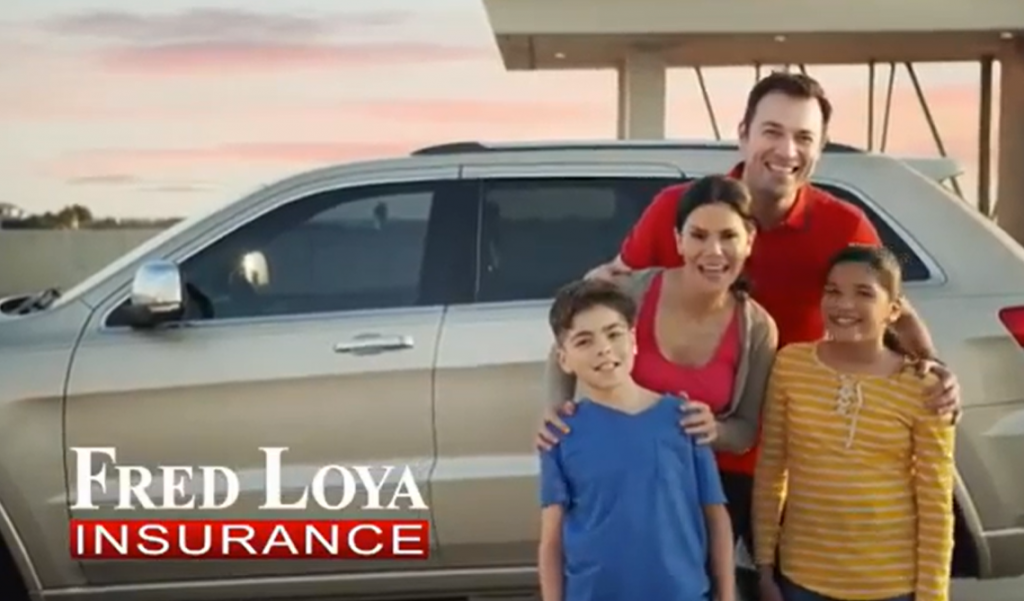
A happy family stands proudly in front of their SUV, showing why having the right coverage and documentation matters after a crash.
When an insurer fails to settle a claim fairly and promptly, it can create serious legal risk—especially if there was a reasonable chance to resolve the case within available limits. That’s why you should treat every early offer carefully and focus on building a clean record of what happened, what you needed medically, and what the claim truly costs.
Claims against budget-focused insurers can feel like a grind. We know the common friction points and how claim value gets “pushed down” during negotiations. Here are patterns we see often:
These disputes can become even harder when the at-fault driver carries minimal coverage. Many “cheap” policies exist to meet state legal requirements, not to cover serious injuries. If you’re trying to understand what basic liability actually pays for (and what it does not), review the benefits and limits of liability coverage.
In some cases, delays and low offers happen because the insurer knows the policy limits are low and expects you to give up. In other cases, the insurer may be betting that you settle before you fully understand your damages. Either way, documentation and timing matter.
People often use “Loyal Auto Insurance” to describe a type of minimum-limits, nonstandard auto coverage—often sold to budget-focused drivers who need a fast policy and proof of insurance. These policies can be legal and valid, but they are frequently built around low limits and tight exclusions.
It’s also common for consumers to confuse similar brand names online. If you want broader context on related Loya-branded entities and how people discuss them together, see The Loya Insurance Group overview.

In-person offices can make it easy to get documents quickly, but your claim outcome still depends on limits, proof, and how damages are documented.
Nonstandard insurers often market convenience and affordability: quick proof-of-insurance, walk-in service, flexible payments, and coverage options that help drivers stay legal. For many drivers, that’s the appeal. The problem is what happens after a serious crash—because low limits can mean the available coverage runs out fast.
To see how being uninsured or underinsured can impact people financially (and why limits matter), review the real costs of driving uninsured and the true cost of driving without insurance.
Loyal-style budget policies are often built around basic liability coverage. In California, for example, older minimums were commonly discussed as 15/30/5 (numbers vary by law changes and timing). The key point is not the shorthand—it’s the reality: minimum limits can be too small for real injuries and modern repair costs.
That’s why many people get blindsided. They assume “insured” means “fully protected,” when it often means “covered up to a low ceiling.” If you want to understand how uninsured and underinsured coverage can protect you when the other driver has low limits, start with uninsured and underinsured coverage explained.
And if you’re already facing a low-limits situation, it’s important to learn the basics of how to handle your own coverage options and documentation. This guide is a strong starting point: uninsured motorist claim basics and steps.
Auto insurance claims are a numbers-and-process business. When a company is focused on controlling payouts, the same tactics can appear repeatedly. Here are common patterns claimants report:
If you’re trying to estimate whether the other driver’s limits can even cover your damages, it helps to understand underinsured situations in plain language. Start here: uninsured vs. underinsured coverage costs.
To avoid being taken advantage of, focus on controlling the parts of the claim that you can: evidence, documentation, and timing.
You are generally not required to provide a recorded statement to the other driver’s insurer. If you decide to speak, keep it short and factual. Do not guess about fault, speed, distances, or injuries that haven’t been fully evaluated.
Early offers are often designed to close the file fast, not to reflect your true damages. You may not yet know the full cost of treatment, future appointments, missed work, or long-term pain. If you’re still treating, pressure to settle is a warning sign.
Insurers may request bills and then argue they’re “too high” after a selective review. Your best defense is clean documentation: visit summaries, diagnosis notes, imaging results, prescriptions, and therapy plans. If you need a checklist approach to keep everything organized, use essential coverage limits guidance as a framework for documenting why your damages exceed low policy limits.
A bodily injury claim is more than receipts. Make sure you account for:
If the at-fault driver’s policy is too small, your own UM/UIM coverage may be critical. Learn the practical difference and why it matters: uninsured vs. underinsured motorist coverage.
Online reviews and complaint summaries can show patterns, but they don’t automatically prove wrongdoing in your specific case. What matters most is the evidence in your file: liability proof, medical records, damages documentation, and whether the insurer had a reasonable opportunity to settle fairly.
If you’re stuck because the other driver has minimal insurance, it’s worth understanding how often low limits create a financial gap. This is the bigger picture: financial impact of uninsured driving and why underinsured scenarios can look similar for victims.
Some legal commentary online discusses an Orange County, California case where a low-limit policy was involved and the final jury outcome was far higher than the policy limits. The lesson people take from these cases is not “you always get more,” but “handling settlement opportunities and documentation correctly can change outcomes.” Every case is fact-specific, so treat examples as education—not a guarantee.
Insurance companies handle claims every day. Without guidance, many people underestimate claim value, accept pressure-driven deadlines, or miss key documentation that supports damages. Legal help can be especially important when:
If you or a loved one has been injured in an accident involving a Loyal Auto Insurance-insured driver, don’t let delay tactics or low offers undervalue your claim. Don’t sign away your rights until you understand your damages and the available coverage. Document everything, stay consistent, and get advice if the process turns unfair.