Maximize Young Driver Insurance Discounts Today
Best Rates from Us & Our Partners!*

Call us 855-620-9443
Best Rates from Us & Our Partners!*

Auto liability insurance is one of the most important parts of your policy because it pays for injuries and property damage you cause to others in an at-fault accident. Most states require it, but “having the minimum” is not the same as “being well protected.” The difference shows up when a serious claim exceeds your limits and you’re responsible for what’s left.
Knowing how to compare auto liability insurance providers helps you choose a policy that fits your budget and the way you actually drive. Beyond price, the smartest comparisons include coverage limits, claim handling, customer support, discounts, and the insurer’s financial strength—because those factors affect what happens when you need help the most.
Use this guide as a practical checklist when you request quotes. The goal is simple: select a provider that offers strong protection and reliable service, not just the lowest number on the screen.
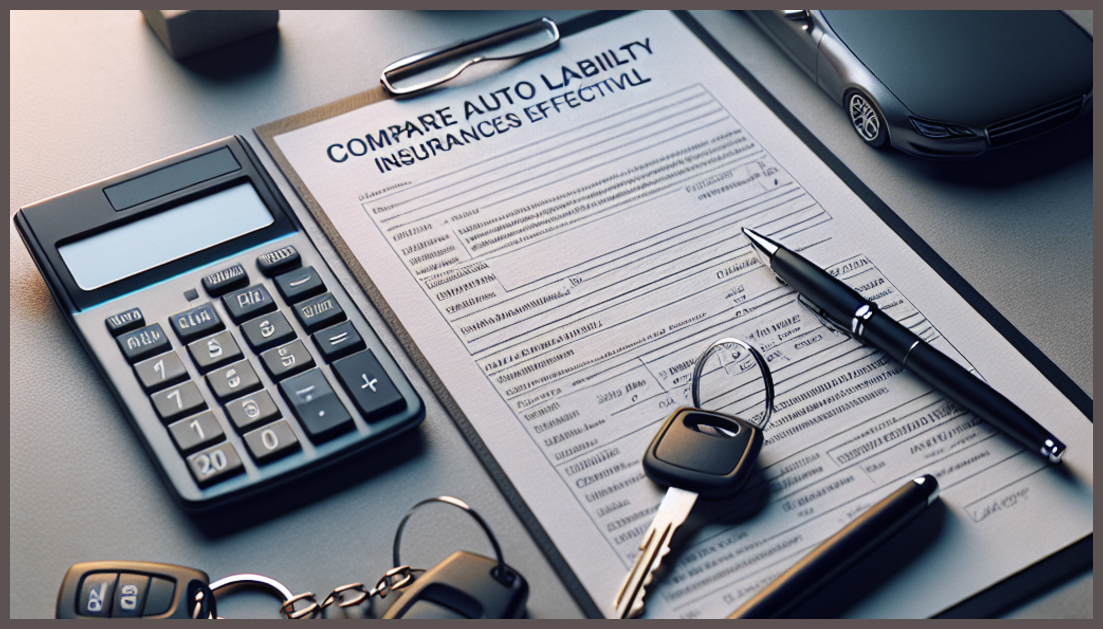
Liability coverage helps pay for damages you’re legally responsible for after an at-fault crash. The NAIC explains that bodily injury liability protects you against claims from people injured due to your negligence, while property damage liability pays for damage you cause to others’ property (like another car, a fence, or a building).[1]
Liability insurance is usually split into two main parts:
State minimum limits can make you legal to drive, but they may not be enough in a major accident. If damages exceed your limits, you can be responsible for the difference. Many drivers choose limits above the minimums to reduce that risk—especially families, commuters, and households with assets to protect.
| Coverage Level | What It Usually Means | Who It May Fit |
|---|---|---|
| State minimum limits | Meets legal requirements but can leave a gap in a serious accident. | Drivers with very tight budgets and few assets—still should understand the risk tradeoff. |
| Moderate limits (above minimums) | More protection for injury claims and repairs before you face out-of-pocket exposure. | Many households who want better protection without “maxing out” the premium. |
| High limits | Designed to protect income, savings, and property if a major liability claim is filed. | Drivers with significant assets, long commutes, teen drivers, or higher liability exposure. |
If you want a clearer picture of how liability fits alongside other coverage types, review this overview of
auto insurance coverages and options.
It helps you understand what liability does (and does not) cover, and which add-ons may be worth pricing out.
When you compare providers, you’re comparing both the policy and the company behind it. These criteria usually separate “cheap on paper” from “reliable when it matters”:
Liability is essential, but most quotes will include (or offer) additional protections that can change your total cost and your real-world safety net. The Insurance Information Institute notes that liability covers damage you cause to others, while optional coverages like collision and comprehensive typically cover damage to your own vehicle.[4]
Practical tip: If one provider’s quote is much cheaper, it often comes down to differences in limits, exclusions, or what’s included. Make sure you’re comparing the same package across companies before you decide anything.
You rarely learn how good a company is until you file a claim—so it’s smart to ask about claims upfront. When you request quotes, ask the same claim questions to each provider so you can compare consistently.
Premiums vary between insurers even when the coverage looks similar. That’s why “apples-to-apples” comparison matters more than the first price you see. Liability premiums are influenced by common rating factors like driving history, location, vehicle characteristics, and the limits you select.[5]
When comparing price, keep these rules in place:
If you’re still building a shortlist, this guide to
top affordable auto insurance providers can help you identify which companies are worth quoting first—then use the checklist in this article to compare them fairly.
Reviews can be helpful, but they’re most useful when you look for patterns across many comments—not one extreme story. Focus on reviews that mention claims communication, timelines, and how disputes were handled.
A provider’s ability to pay claims is tied to financial stability. A.M. Best’s Financial Strength Rating is an independent opinion of an insurer’s ability to meet ongoing policy obligations (it is not a guarantee and does not measure customer service).[2]
Before you decide, run through this checklist:
Three to five quotes is a solid baseline for most drivers. It’s enough to see real price differences without getting overwhelmed. Just make sure each quote uses the same limits and driver/vehicle information.
Not always. The cheapest option may come with lower limits, fewer included coverages, or weaker claims support. Value is usually a better target than price alone: strong protection, clear claim handling, and a fair premium.
State minimums can make you legal to drive, but they may not cover a serious accident. The NAIC notes liability coverage protects you against claims for damages when you’re at fault, which can include medical expenses and other losses.[1] If your limits are too low, you may owe the difference out of pocket.
Compare at least every year or two, and anytime you have a major change (new vehicle, move, added driver, change in mileage, or significant change in driving record).
Comparing auto liability insurance providers takes more than scanning for the lowest premium. Focus on what truly matters: the limits you’re buying, how the company handles claims, whether discounts are applied correctly, and whether the insurer is financially stable enough to back the policy.[2][3]
Gather several apples-to-apples quotes, ask the same claim questions each time, and choose the provider that offers the best balance of protection and reliability for your situation.
Ready to compare providers using a fair checklist? Pull your current declarations page, decide on the liability limits you want, and request a few quotes using the same inputs.
This article is for general educational purposes and does not replace personalized advice from a licensed insurance professional. Coverage, pricing, and requirements vary by state and insurer.